Termostat radiator funktion
Hem / Hem & Hushåll / Termostat radiator funktion
Turn on the Heating System:
Once the new radiator thermostat is securely attached, turn on the heating system and test the functionality of the thermostat.
Now that you know the secrets behind your radiator thermostat, take the next step towards a more comfortable and sustainable home. It’s essentially a temperature sensor that monitors the room temperature and adjusts the radiator’s output accordingly.
Clean the display screen and ensure that there is no damage or corrosion on the battery contacts.
If you encounter any other issues or are unsure about troubleshooting steps, consult the manufacturer’s manual or consider seeking assistance from a qualified heating engineer or plumber.
Now that you are familiar with common radiator thermostat issues and how to troubleshoot them, let’s explore some maintenance tips to ensure optimal performance.
Maintenance Tips for Radiator Thermostats
Maintaining your radiator thermostats is essential to ensure their optimal performance and longevity.
This typically includes a radiator thermostat kit, an adjustable spanner or wrench, and some thread sealing tape.
2. Adjust and Fine-tune:
After installation, you can adjust the desired temperature on the thermostat according to your preferences. Let’s take a closer look at some of the common types:
1. By the end of it, you’ll have a clear understanding of how a thermostat works on a radiator, including the different types of thermostats available, the components involved, and the principles behind their operation.
As the mercury drops and the winter chill sets in, there’s nothing quite like the warm comfort of a well-heated home to lift our spirits. For example, you may want a warmer temperature during waking hours and a cooler temperature during sleep or when you’re away from home.
4. Thermostatic Radiator Heads:
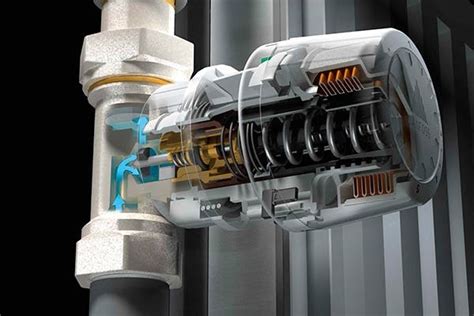
Thermostatic radiator heads are an alternative to valve-based thermostat systems.
Drain the Radiator (if needed):
If there is excess water in the radiator, you may need to drain it before installing the thermostat. This demonstrates the significant potential for smart TRVs to contribute to both comfort and cost savings.
Conclusion
Understanding how a thermostat works on a radiator empowers you to take control of your home’s comfort and energy efficiency.
They are simple and easy to use but may not provide precise temperature control.
- Energy Efficiency: Radiator thermostats help reduce energy consumption by only heating or cooling the room when necessary.
- Comfort: Radiator thermostats provide precise temperature control, ensuring a comfortable temperature in the room.
- Reliability: Radiator thermostats are simple and reliable devices that require minimal maintenance.
However, some of the disadvantages include:
- Initial Cost: Radiator thermostats can be expensive to purchase and install.
- Complexity: Some radiator thermostats can be complex to install and configure.
- Maintenance: Radiator thermostats require periodic maintenance to ensure proper function.
Real-World Examples and Case Studies
Radiator thermostats are widely used in various applications, including residential, commercial, and industrial settings.
Indstillingen på ventilen er afpasset til radiatorens og rummets størrelse og er ofte ikke noget man selv rører ved – den er enten indstillet fra fabrikken eller også gør installatøren det, når radiatoren monteres. Periodically revisit and refine your schedule to ensure optimal comfort and energy efficiency year-round.
Programming your radiator thermostat allows you to have precise control over your heating system, maximizing comfort and reducing energy waste.
This gives you the flexibility to customize the temperature based on individual comfort levels.
3.
Here are some examples:
- Heating Mode: When the temperature of the room drops below the set temperature, the thermostat opens the valve, allowing hot water or steam to flow through the radiator, warming the room.
- Cooling Mode: When the temperature of the room rises above the set temperature, the thermostat closes the valve, preventing hot water or steam from flowing through the radiator, cooling the room.
- Energy Saving Mode: Some thermostats have an energy-saving mode that reduces the flow of hot water or steam when the room temperature is close to the set temperature, reducing energy consumption.
Advantages and Disadvantages of Radiator Thermostats
Radiator thermostats have several advantages and disadvantages.
This means the boiler only needs to work as hard as necessary, reducing wear and tear and extending its lifespan.
4. Some thermostats may provide pre-set profiles or templates for common schedules, making it easier to set up.5. Here are some real-world examples and case studies:
Example 1: A residential heating system in a single-family home.
Ensuring compatibility between the thermostat and radiator system is crucial for proper functionality. This will help maintain accurate temperature control.
3. Hvis termostaten ikke er monteret eller er i stykker, vil det varme vand i radiatoren løbe rundt i varmesystemet med det højest flow, da ventilen står helt åben.
They also provide advanced features such as energy monitoring and scheduling.
How Radiator Thermostats Work in Different Scenarios
Radiator thermostats work in different scenarios to provide optimal temperature control.