Windows media player update
Hem / Teknik & Digitalt / Windows media player update
Windows 11’s default media app is generally called "Media Player,” which replaces the classic version but retains similar core functionalities.
Important distinction:
🏆 #1 Best Overall
- 4K HD Media Player: The 4K media player allows you to play videos, music and photos from USB drives or microSD cards on any TV (old or new).
Connect it to your TV, monitor or projector via HDMI to enjoy crisp 4K resolution, and hook it up to speakers or amplifiers using Optical output to experience up to 7.1-channel surround sound.
- Advanced H.265 Decoding: The hdmi media players for TV supports H.265/HEVC decoding, delivering smooth 4K@30Hz playback and data rates up to 200Mbps.
While it features two USB 2.0 ports for connecting multiple devices (such as keyboards, mice, flash drives and printers), only one drive can be read at a time.
7.
- Restart your PC after updates.
- Type the command:
- To initiate Windows Update from Command Prompt, type:
- Open PowerShell as Administrator.
- Navigate to Windows Update. Composite AV output for use with analog TVs or for sending sound to a stereo system.
- DUAL USB AND MICRO SD READER - Play media files from USB flash drives and USB hard drives up to 8TB, or microSD cards up to 1TB.
- Wait until the download and installation complete.
This runs the System File Checker, repairing corrupt files that may affect updates.
(Note: Some commands may be restricted or deprecated in Windows 11, so use Windows Update interface for most users.)
Using PowerShell to Update Optional Features
Step 4: Launch and Verify
- Once updated, open the Media Player app to confirm the update was successful.
Method 3: Manually Downloading Updates or New Versions
In some cases, Microsoft releases separate installers for legacy Windows Media Player.
Simple and intuitive to use with no complicated settings.
5. Music: MP3, OGG, WAV, FLAC, APE. Photos: JPG, GIF, BMP, PNG, TIF
Conclusion
Keeping Windows Media Player up-to-date on Windows 11 is a straightforward process, primarily tied to keeping your Windows system current.
2. With How to Update Windows Media Player, you will be able to learn step by step how to ensure you have the most recent version of this media player.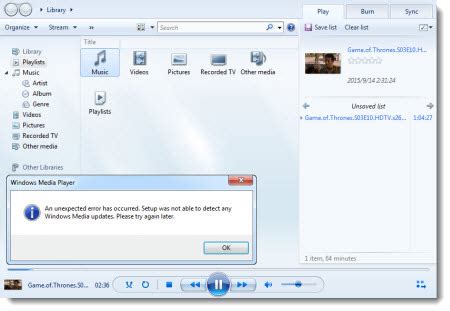
Contact Microsoft support if the problem persists. Take advantage of these features to simplify your viewing and listening experiences.
Customizing Settings: Navigate to the “Player” tab in the Options menu to customize settings according to your preferences—such as playback speed, audio and video quality, and more.
Using the Media Information Option: This feature allows you to view the details of your media files, including song lyrics, album artwork, and more.
Takes up very little space - it’s smaller than a deck of playing cards!
Smoothly plays videos up to 2560x1440@60fps, upscaled to UHD 4K/60Hz HDMI output. It’s so simple and intuitive - anyone can use it. Smoothly plays videos up to 4096x2304@30fps over UHD 4K/60Hz HDMI output. Photos: JPG, JPEG, BMP, GIF (non-animated), PNG. Music: MP3, WMA, OGG, FLAC, APE, AAC
- Reset the Media Player app:
- Go to Settings > Apps > Installed apps.
- Reinstall the app from Microsoft Store.
Best Practices for Managing Media Player Updates
- Regularly check for Windows updates to ensure core components are current.